
02 Jun Caring for Your Eyes: Vision Tips for Older Adults
Our eyesight connects us to the world in so many ways. As we age, changes in vision are common, but that doesn’t mean we have to accept poor eye health. With the right habits, care, and support, many vision problems can be managed or even prevented.
Common Vision Issues in Older Adults
Some eye conditions become more common later in life, especially when other health factors are involved. High blood pressure, diabetes, smoking, and sun exposure can all increase the risk of eye disease.
Here are a few of the most common issues:
Glaucoma: Caused by pressure in the eye that damages the optic nerve. It often affects side vision and can lead to blindness if untreated.
Cataracts: Cloudy spots in the eye’s lens that blur vision. They can grow slowly and may require surgery to restore clarity.
Macular Degeneration: Affects central vision, making it hard to read, drive, or recognize faces. It is treatable but needs early attention.
Diabetic Retinopathy: A slow-developing complication of diabetes that can damage the retina. It often shows no symptoms at first.
Dry Eye Disease: A common condition where the eyes don’t produce enough moisture, leading to stinging or discomfort.
Other age-related changes, like difficulty adjusting to light, seeing colors clearly, or dealing with eye fatigue, may be helped with glasses, medications, or simple lifestyle adjustments.
The Impact of Vision Loss
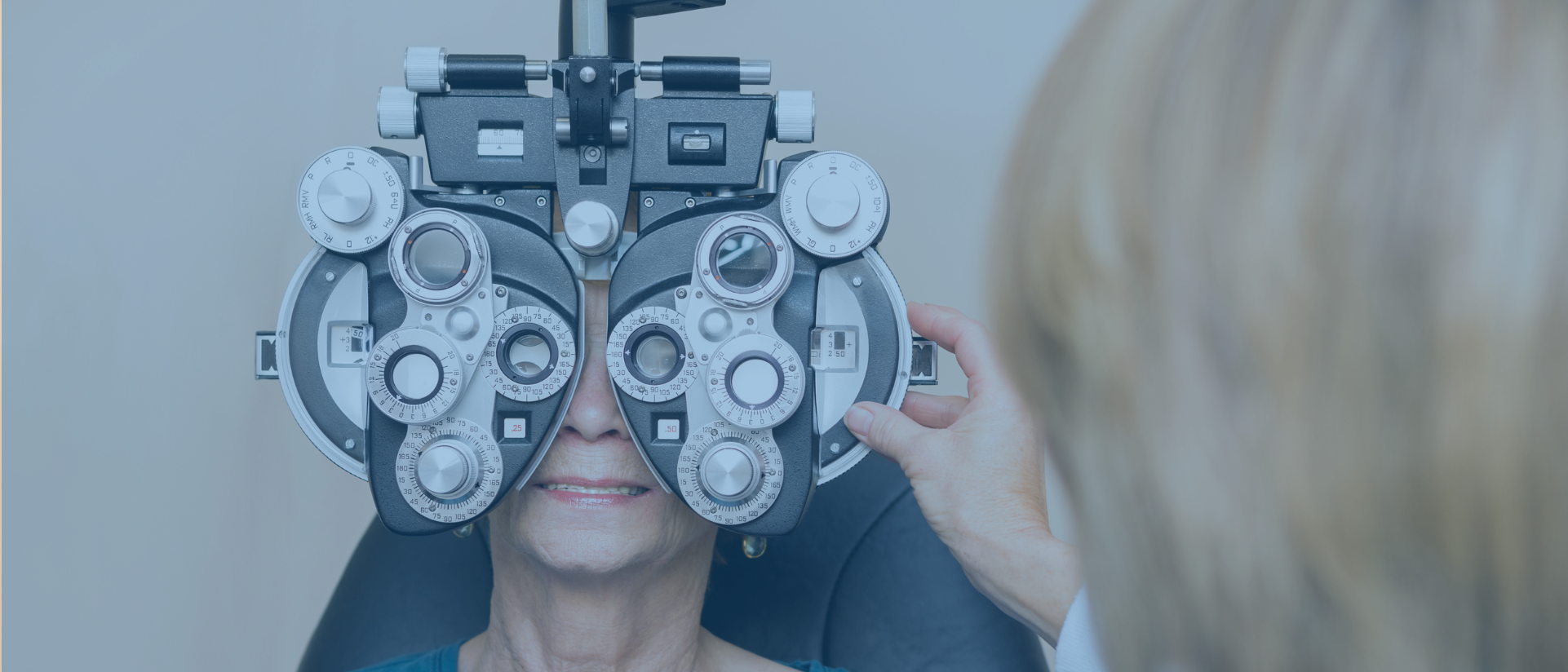
Even minor changes can affect daily life. When vision declines, seniors may be at greater risk of falls, depression, anxiety, and other health issues. That’s why routine eye exams are so important.
If you or a loved one notices vision changes like blurriness, pain, flashes of light, or redness, it’s best to reach out to your primary care provider. They can refer you to an eye care specialist if needed.
Caring for Your Vision as You Age
There’s a lot you can do to help protect your eyesight:
Get regular eye exams, especially after age 65.
Manage health conditions like diabetes and high blood pressure.
Wear sunglasses that block UV rays.
Avoid smoking.
Stay active and maintain a healthy weight.
Nutrition and Eye Health
What we eat can help protect our eyes over time. Here are some key nutrients that support good vision:
Vitamin A: Found in carrots, sweet potatoes, and leafy greens.
Vitamin C: Found in citrus fruits, broccoli, and tomatoes.
Vitamin E: Found in almonds, avocados, and olive oil.
Zinc: Found in eggs, dairy, and seafood.
Lutein and Zeaxanthin: Found in spinach, kale, and colorful fruits.
Omega-3s: Found in fish, like salmon and sardines.
Including a variety of these foods in your meals can make a difference over time.
We're Here to Support You
Our mobile physician team understands how vital vision is to independence and quality of life. We work closely with older adults and their caregivers to identify concerns early, provide guidance, and coordinate care.
If you or a loved one is facing vision challenges or just wants to stay ahead of them, reach out to us.